You may have decided it’s time for a thorough car detail—but how long does the process actually take? Understanding typical detailing durations can help you better plan your day, whether you’re doing it yourself or hiring a professional. In this guide, we’ll explore all the factors influencing car detailing times, discuss professional versus DIY approaches, highlight specialized tools that can dramatically reduce labor, and offer time-saving tips so you can keep your car looking and feeling new.
Professional Detailing Times: A Closer Look
Experience and specialized tools often translate to faster, higher-quality results when it comes to car detailing services. At our top-rated detailing business in Washington State, we’ve seen firsthand how the following factors play into each job’s total time. Here is a closer look into the types of detailing and times to expect:
Interior Detailing
Usual Timeframe: 2–3 hours for a single technician on a well-kept vehicle.
Heavy Soiling: Can stretch to 4–5 hours if the interior is extremely dirty or stained.
Tools That Speed Up the Process:
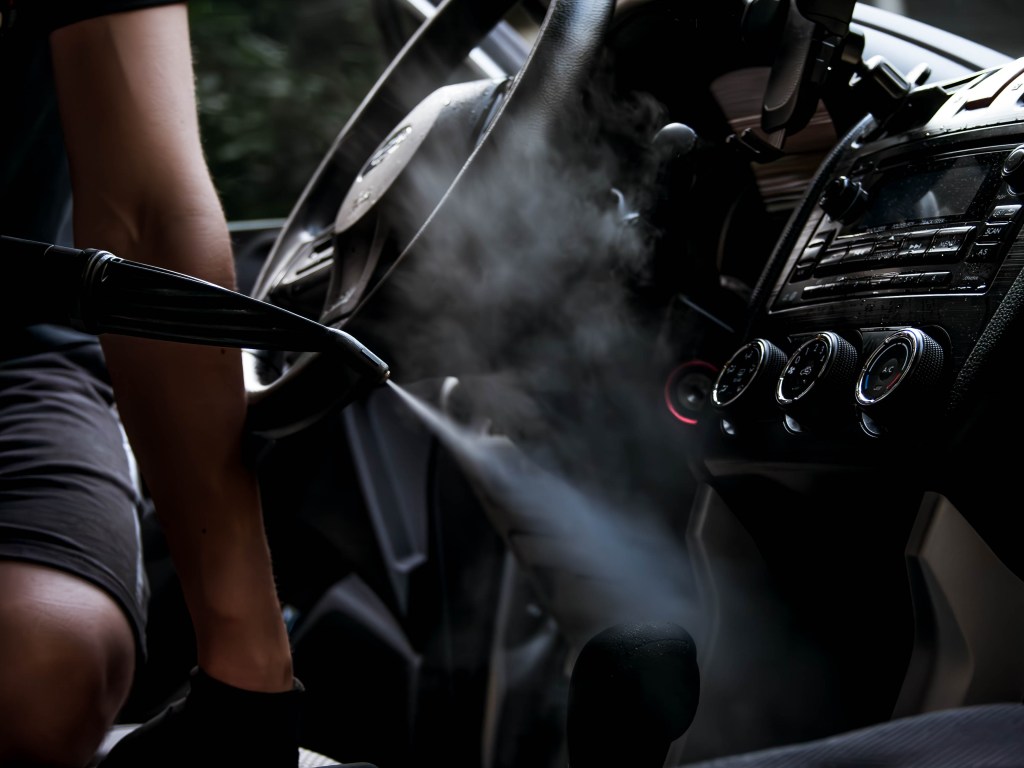
Steam Cleaners: The high heat and pressure loosen stubborn dirt and kill germs. This can significantly cut down scrubbing time for fabric seats, carpets, and even tight crevices.
Drill Brushes: By attaching these brushes to a power drill, you can quickly agitate and lift dirt from carpets and fabric upholstery.
Compressed Air & Vortex Guns: A vortex gun uses compressed air to blast dirt out of cracks and crevices. It’s especially useful for cup holders, door pockets, and around seat rails.
Exterior Detailing
Usual Timeframe: Around 2 hours for a single detailer focusing on a basic wash, clay, and wax.
Condition & Added Services: Oxidized paint, swirl marks, or deeper scratches often require multi-step polishing that can extend the job to 4–8 hours. If you add a ceramic coating, expect the process to stretch beyond that (including cure times).
Time-Saving Tools:
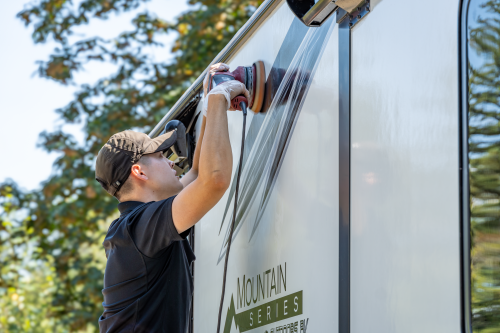
Dual-Action or Rotary Polisher: Mechanical polishers help speed up the process of removing minor defects in paint.
Pressure Washers & Foam Cannons: Quickly loosen and remove surface dirt, reducing the need for excessive scrubbing.
Full Interior and Exterior Detail
Typical Range: 4–6 hours for a single technician, assuming moderate vehicle conditions.
Extra Services (Engine Bay, Headlights, etc.): Adding specialized areas like engine bay cleaning or headlight restoration can tack on another 30–60 minutes per service.
How Long Does It Take to Detail a Car DIY?
Doing it yourself can be rewarding and cost-effective, but it often takes longer—especially if you don’t have professional tools or experience. Here’s a breakdown:
Basic Interior Detail: 2–4 hours. This usually includes vacuuming, wiping down surfaces, cleaning mats, and a light upholstery refresh.
Thorough Interior Detail: 4–6+ hours, involving stain removals, floor mats, door jambs, deep carpet shampooing, seat cleaning, and addressing odors. If you lack equipment like steamers or air compressors, you’ll spend more time scrubbing and cleaning the interior.
Exterior Detailing (Wash & Wax): 1–3 hours, depending on your technique and whether you hand-wash or use a pressure washer.
Advanced Exterior (Clay, Polish, Sealant): 3–6 hours or more for paint correction and multiple polishing steps.
Pro Tip: If you’re new to detailing, consider starting small. Tackle the interior on one day and the exterior on another. This approach helps prevent burnout and gives you time to learn proper techniques without rushing. This is also applicable if your vehicle size is a large truck or SUV instead of a standard sedan or coupe.
DIY vs. Professional Detailing: What to Expect
DIY Approach
Pros:
Cost Savings: You might save money over time, especially if you detail multiple vehicles or detail often.
Control Over Products: You can handpick eco-friendly or specialty products.
Flexible Scheduling: Work on your car whenever you have a free weekend.
Cons:
Time-Intensive: Expect to invest significant hours, especially without advanced tools.
Learning Curve: Improper techniques (e.g., incorrect polishing) can lead to paint damage.
Equipment Costs: Quality steamers, polishers, and air compressors can be expensive upfront.
Professional Detailing
Pros:
Expert Results: Trained detailers have honed their techniques on a variety of vehicles.
High-End Tools & Products: Professional shops use commercial-grade equipment like steamers, vortex guns, and top-tier polishers.
Convenience: Hand off your car, and pick it up looking pristine.
Cons:
Higher Upfront Cost: Quality work comes at a premium.
Scheduling Wait Times: Popular shops may have longer waiting lists during peak seasons.
Time-Saving Tips for Car Detailing
Pre-Plan and Organize: Gather all necessary supplies—microfiber towels, cleaning solutions, brushes, polishers—before you start. This prevents you from scrambling for tools mid-detail.
Focus on High-Traffic Areas First: Areas like floormats, driver’s seat, and cup holders see the most daily use. Addressing them first can quickly make your interior feel cleaner.
Work in Sections: Break the job into smaller tasks. For an exterior detail, start with the wheels and tires, move to washing the body, then claying, polishing, and waxing. For an interior detail, tackle one row of seats at a time.
Embrace Pro Tools
Steam Cleaners cut through grime on upholstery and vinyl without harsh chemicals.
Air Compressors & Vortex Guns blow dirt out of crevices and vents.
Drill Brushes rapidly loosen embedded debris in carpets and fabric, reducing manual scrubbing.
Schedule Regular Maintenance: The more frequently you detail—or at least thoroughly clean—your car, the less time you’ll spend on each session. A light weekly vacuum and wipe-down can help avoid massive cleanup tasks down the road.
Frequently Asked Questions About Car Detailing Times
1. How long does car detailing take?
Most professional detailing jobs generally require between 3 and 6 hours. A basic wash-and-wax service might be wrapped up in a few hours, but more comprehensive packages—including paint correction and additional treatments—can take well over six hours to complete.
1. How long does it take to get a car detailed at a shop?
Most professional services range from 2–6 hours. Basic packages like a wash-and-wax may only take a couple of hours, while full details with paint correction or added services can extend beyond six hours.
2. How long does a basic exterior car detail take?
A typical exterior detail with a wash, clay bar, and wax might take 1–2 hours if the paint is already in decent shape. Adding multi-step polishing or ceramic coatings will increase that timeframe significantly.
3. How long does a detail take for a large SUV or truck?
Heavier, more spacious vehicles can take 4–8 hours for a full detail, particularly if you include extensive interior work or advanced paint correction.
4. How long does an interior detail take for an older vehicle with stains?
Heavily stained interiors may need 3–5 hours of focused work, which can involve repeated shampooing, scrubbing with a drill brush, or steam cleaning to lift deep-seated dirt.
5. Can professional-grade tools really reduce detailing time?
Absolutely. In our Washington State detailing business, using steamers, vortex guns, and specialized brushes has significantly decreased labor time while improving results. Investing in such tools (either professionally or for personal use) often pays off by making each detail more efficient and thorough.
Summary of Key Takeaways:
Basic Detailing vs. Full Service:
A simple wash-and-wax might only take 1–2 hours, while a comprehensive interior-exterior detail can extend to 4–6+ hours (or more) for a single detailer.
2. Condition & Size Matter:
Smaller, well-maintained sedans clean up faster than large, neglected SUVs or trucks.
3. Advanced Tools Speed Up the Process:
Steamers, vortex guns, and drill brushes can dramatically reduce labor times and improve the finished look.
4. DIY vs. Professional:
DIY can be cost-effective but is often more time-consuming. Professionals have the expertise and equipment to deliver quality results in fewer hours—though at a higher monetary cost.
5. Regular Maintenance Pays Off:
Frequent quick details reduce the need for major overhauls, saving you time and money in the long run.
Keeping your car in pristine condition is well worth the time investment. Whether you choose a DIY approach or prefer to let a professional handle the process, understanding how long each step takes gives you realistic expectations and helps you plan accordingly.
Ready to get your vehicle looking brand new without losing half your day?
You’ve likely seen the photos on social media: mirror-like reflections that look wet to the touch. Whether you have a brand new showroom beauty or a daily driver you want…
Driven by an unwavering passion for automotive perfection, Apex Auto Pros stands as a premier leader in paint protection and vehicle detailing in Silverdale, Washington.
Learn as we explore techniques, tools, and the science behind professional auto care revealed by the industry experts who have detailed 1000s of cars.
Our passion extends beyond to Grid, our line of professional-grade car care products, designed for anyone who demands simplicity and the best.